One of the first questions couples ask me when they plan a wedding in Europe is: will it actually be legal? The answer depends on the country, and it changes how you plan everything else. Here is a clear, honest overview for couples from the US, the UK, Australia and beyond who are thinking about Italy, Spain or France.
I’m a photographer, not a lawyer. Requirements change and depend on your nationality, so always confirm the details with your consulate, the local town hall or your wedding planner.
Legal vs symbolic: what is the difference?
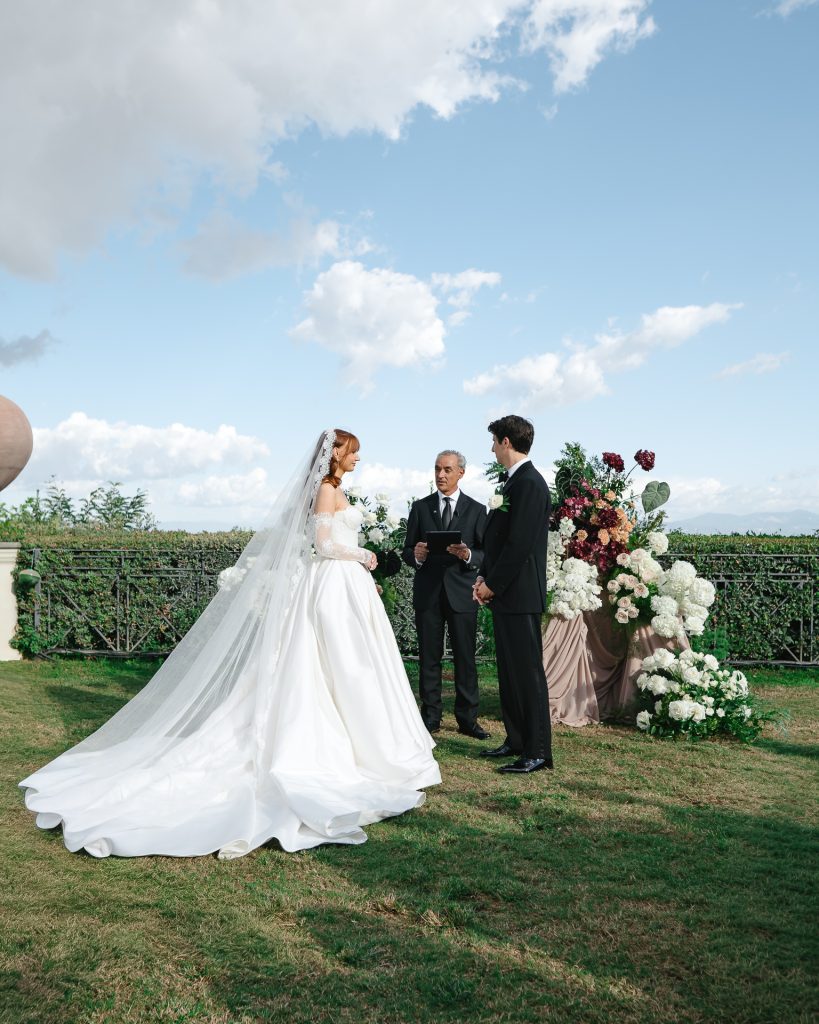
A legal (civil) ceremony is the one that registers your marriage. It follows the rules of the country: official documents, an authorised officiant, often a set script and language. A symbolic ceremony has no legal effect, but it is completely yours: any location, any language, your own vows, a friend or a celebrant leading it. Many couples sign the papers quietly at home and then have the ceremony that really matters to them in Europe.
Italy: legal weddings are possible
Italy is the most welcoming of the three. There is no residency requirement, so foreign couples can marry legally. You will need a declaration that you are free to marry, known as the nulla osta, issued through your consulate; US citizens also need a sworn statement called the atto notorio. The civil ceremony is held in Italian by the mayor or a delegate, with an official interpreter, either at the town hall or at an authorised venue.
Catholic weddings are also legally recognised in Italy, with their own church requirements. Same-sex couples can enter a civil union in Italy, while same-sex marriage is not available there.
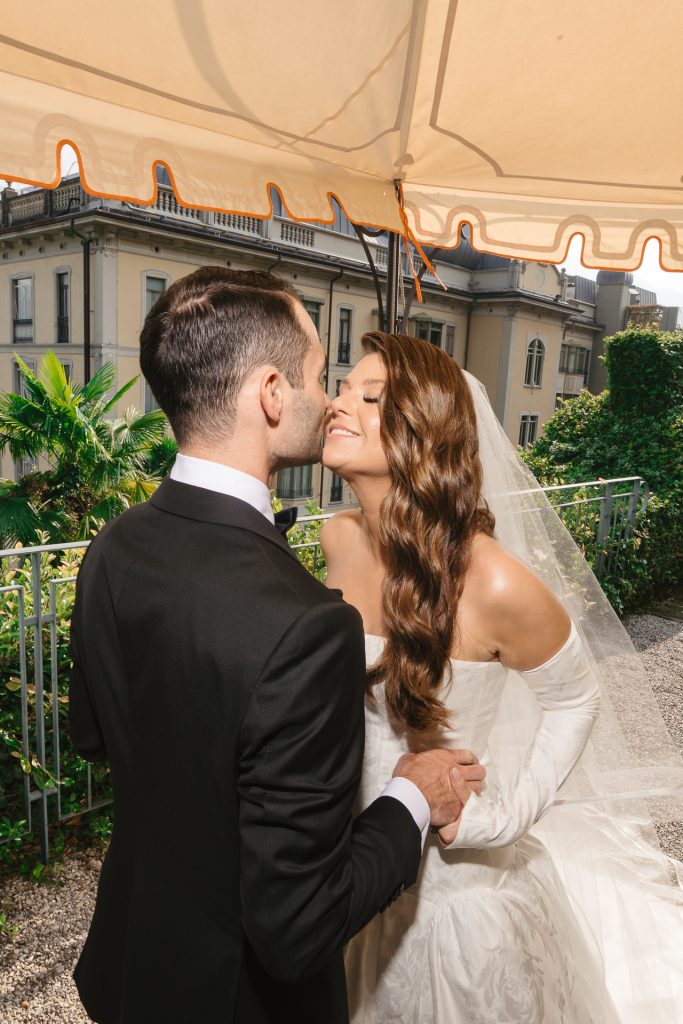
Read more in my Lake Como wedding guide and my guide to getting married in Rome.
Spain: symbolic is the usual route
In Spain, a civil wedding generally requires one partner to be Spanish or to have been legally resident in Spain for around two years. In practice, that rules it out for most destination couples. A Catholic church wedding can be legally binding for non-residents, but it involves approval from the diocese and plenty of paperwork.
That is why almost every international couple I photograph in Spain marries legally at home and celebrates with a symbolic ceremony: in a finca garden in Alicante, a courtyard in Andalusia or on a terrace facing the Mediterranean.
France: possible, but rarely practical
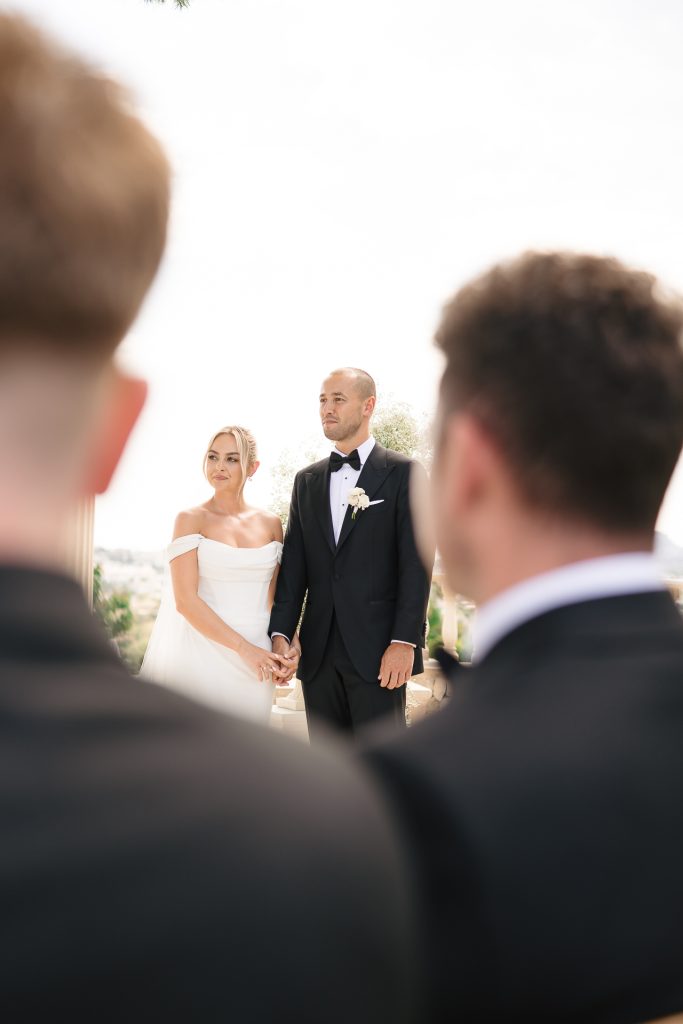
In France, the only legal marriage is the civil ceremony at the mairie (town hall), held in French. One partner needs a genuine link to the commune, usually around a month of residence, followed by about ten days of published banns. For couples flying in for a week, that rarely works, so the classic solution is again: legal at home, symbolic in France. See my guide on how to elope in Paris.

Quick comparison
- Italy – no residency requirement; civil ceremony in Italian with interpreter; documents from your consulate.
- Spain – civil wedding usually requires about two years of residency; symbolic ceremony is the norm for foreign couples.
- France – civil ceremony at the town hall only, with residency and banns; symbolic ceremony is the norm.
Why many couples choose symbolic anyway
- Freedom of place: a cliffside terrace, a villa garden or a Parisian salon instead of a municipal office.
- Your language and your words: personal vows, readings by friends, no translator needed.
- Less stress: no apostilles, translations or appointments in a foreign language weeks before the wedding.
- The same emotion: guests rarely know or care which signature is legal. What they remember is the moment.
Planning your wedding in Europe?
I photograph weddings and elopements in Italy, Spain and France, with an editorial and natural approach. Have a look at some real destination weddings and tell me about your plans. I reply within 48 hours.