Paris doesn’t need much help to look romantic. That’s exactly why it works so well for an elopement: two people, a few hours, and a city that already looks like a film set. I photograph intimate weddings across Italy, Spain and France, and Paris is the place couples ask me about most often. These are the questions they ask, answered the way I would over coffee.
Can you legally get married in Paris as a foreigner?
Yes, but it is rarely practical. In France the only legally recognised marriage is the civil ceremony at the town hall (the mairie), and it is held in French. At least one of you needs a real link to the commune where you marry, usually around a month of residence there, followed by about ten days of published banns. In Paris, the “commune” is your arrondissement.
That is why most couples from the US, the UK and Australia do the paperwork at home first, with a quick registry or courthouse ceremony, and then come to Paris for the wedding that actually feels like theirs: a symbolic ceremony, written by you, in your own language, wherever you want it. It has no legal weight in France, and that is exactly what gives you total freedom.
Requirements change, so always confirm the current rules with the mairie or your planner before you book anything.
Where to elope in Paris
My favourite elopements mix one or two iconic places with something quieter and more personal. A few ideas:
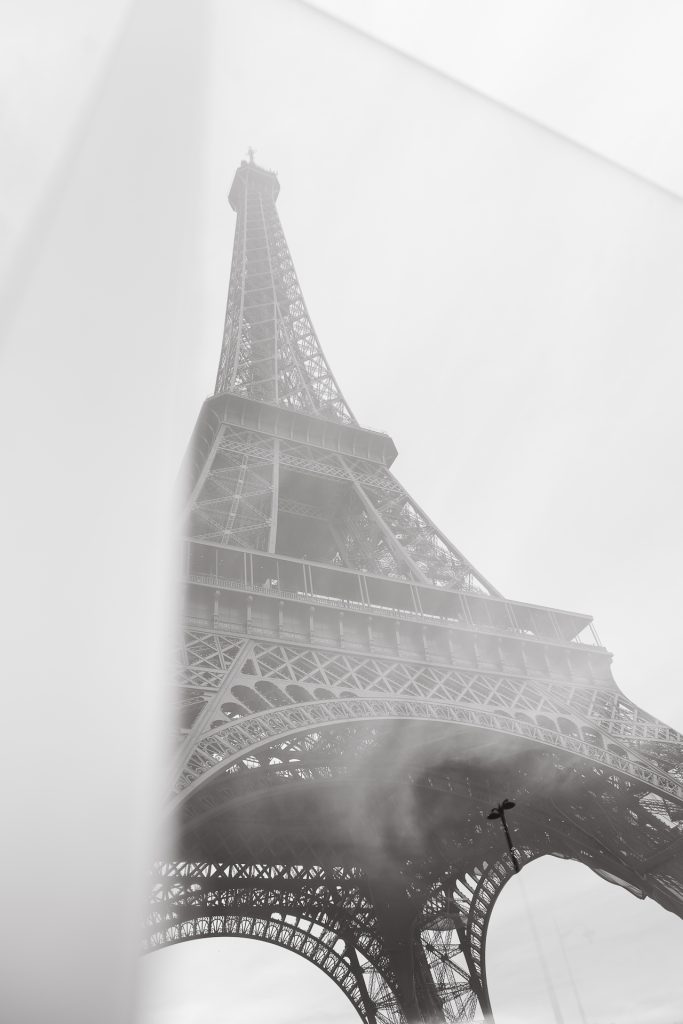
- Trocadéro at sunrise – the classic Eiffel Tower view, but only before the city wakes up.
- Pont de Bir-Hakeim and the Seine – iron, stone and water, great for movement and walking portraits.
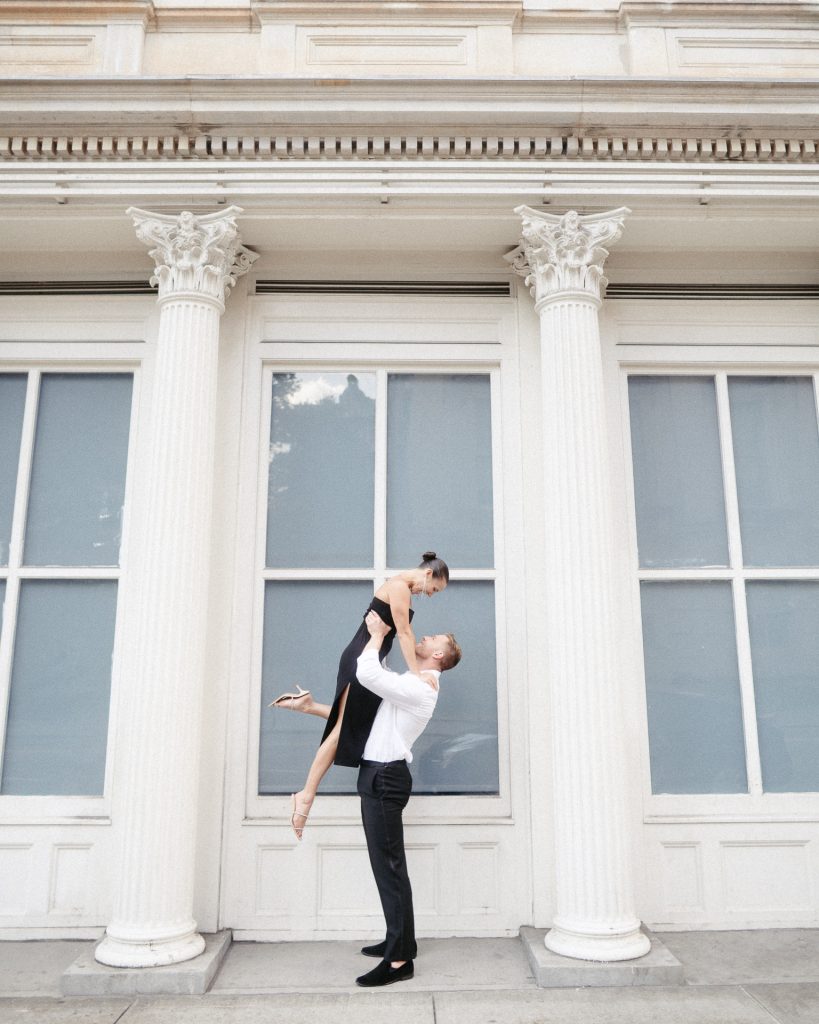
- The Louvre and the Palais Royal – symmetry, arches and columns that suit an editorial, fashion-led look.
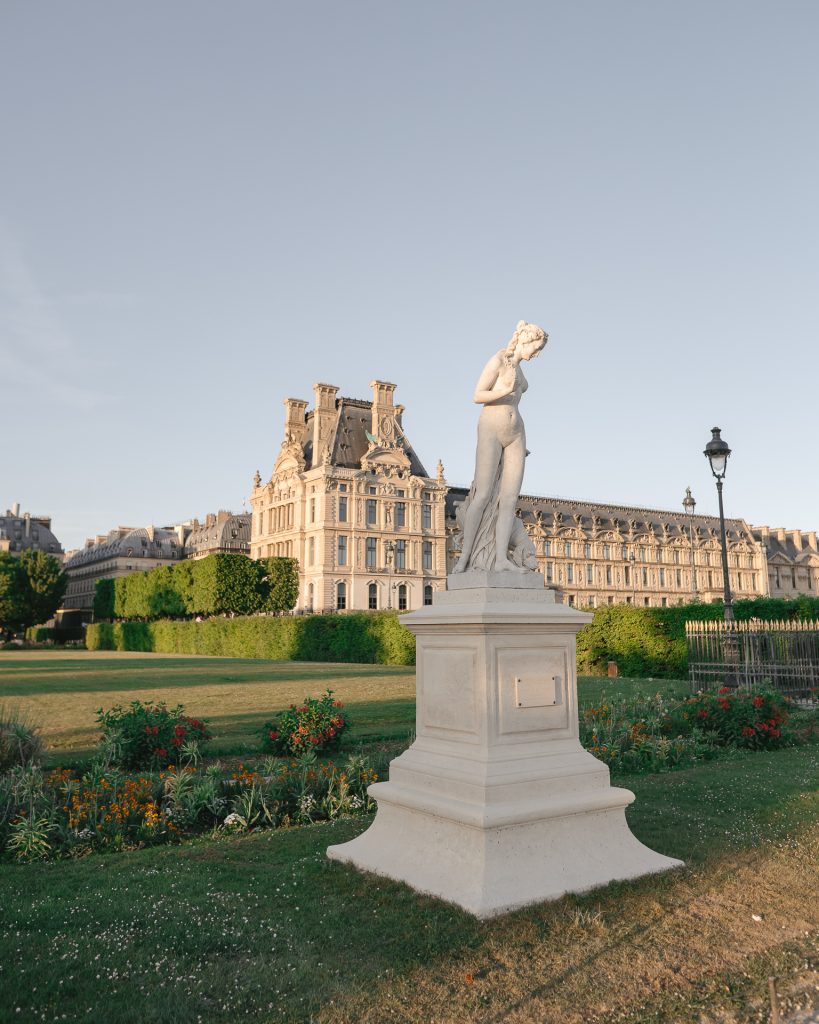
- The Tuileries and the Left Bank gardens – softer light, statues, and space to breathe.
- Haussmann streets and Saint-Germain cafés – the Paris of the films, perfect for candid moments.
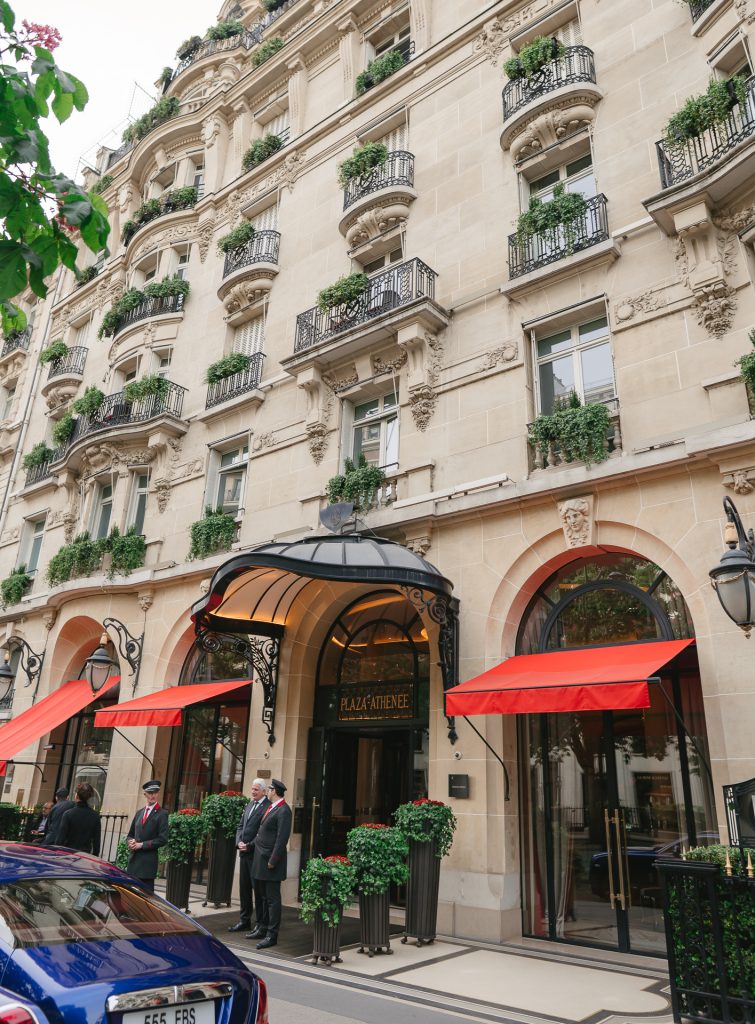
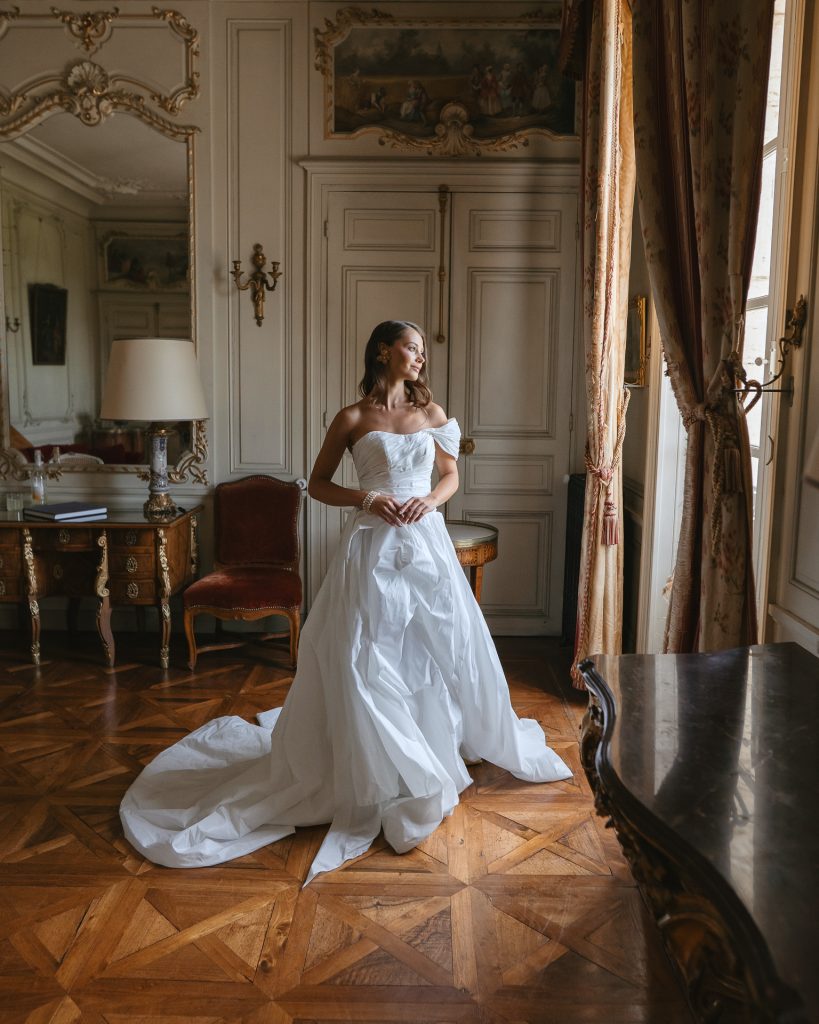
- A private salon or hotel suite – mouldings, parquet, tall windows. Ideal for the ceremony itself and for getting ready.
Do you need a permit to take photos in Paris?
For a small, natural-light elopement session (the two of you, a photographer, maybe a planner) in public streets, you are working the way thousands of couples and tourists do every day. It changes when you bring crew, lighting or set-ups, and some landmarks have their own rules: the City of Paris film office does not issue permits to shoot inside places such as the Eiffel Tower, the Louvre, the Tuileries or the Trocadéro esplanade, which are managed separately.
One rule is simple: no drones. Flying a drone over Paris is prohibited without a special authorisation from the Police Prefecture, so leave it at home.
The best time of day and year
Time of day: sunrise, always. Between first light and around 8am the famous spots are almost empty, the light is soft and the city is yours. Late afternoon is beautiful too, but expect crowds.
Time of year: April to June and September to October give the best balance of light, weather and greenery. July and August are hot and busy, and winter can be magical if you don’t mind a coat over the dress. Keep an eye on Fashion Week dates: the city is at its most crowded and expensive.
What a Paris elopement day looks like
Most of the elopements I photograph in Paris follow a simple rhythm:
- Getting ready in a hotel suite or apartment, with the light coming through tall windows.
- A first look and portraits at one iconic spot, early, before the crowds.
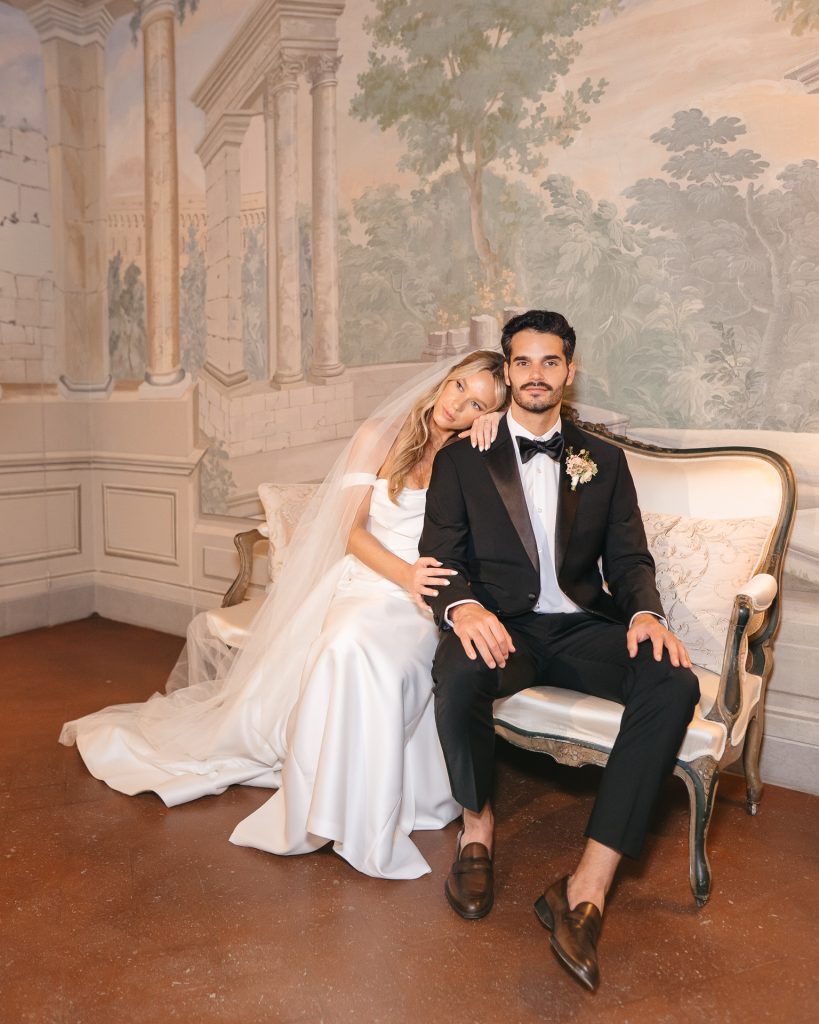
- The ceremony: vows in a private salon, a garden or a quiet corner of the city, with a celebrant or just the two of you.
- Walking through Paris: streets, bridges, a café, a bottle of champagne. This is where the most natural images happen.
- Dinner in a restaurant you love, alone or with a few people.
Four to six hours of photography is usually enough to tell the whole story without rushing.
Getting the editorial look
Before weddings, I worked in fashion and editorial photography, and that still shapes how I see Paris. A few things make the difference:
- Fewer locations, more time. Three places done well beat eight places done in a hurry.
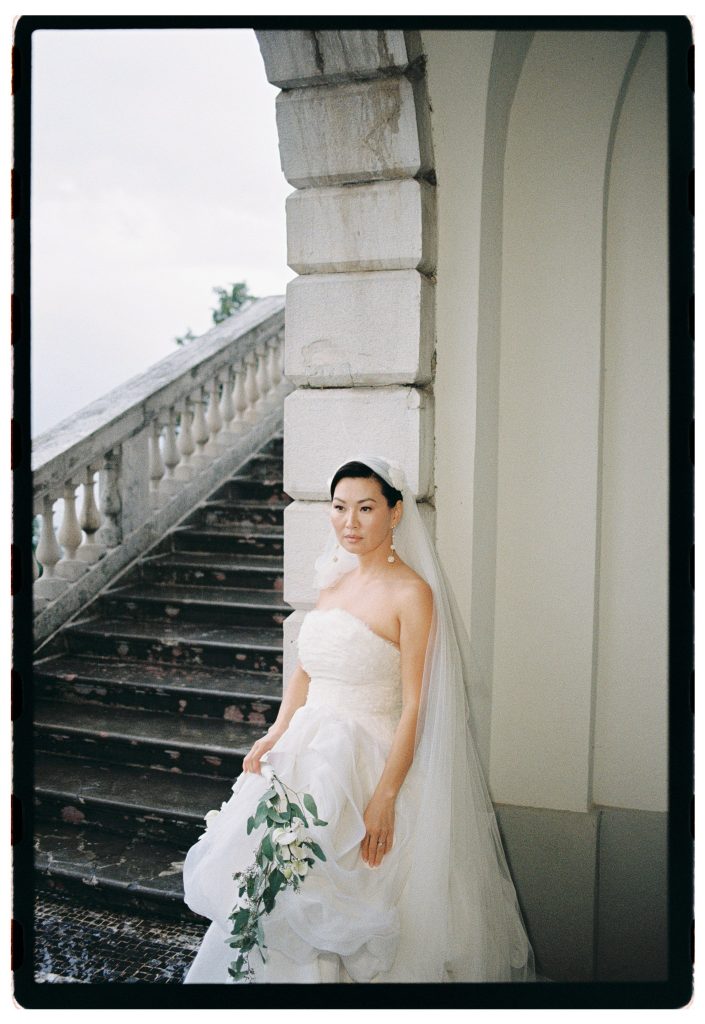
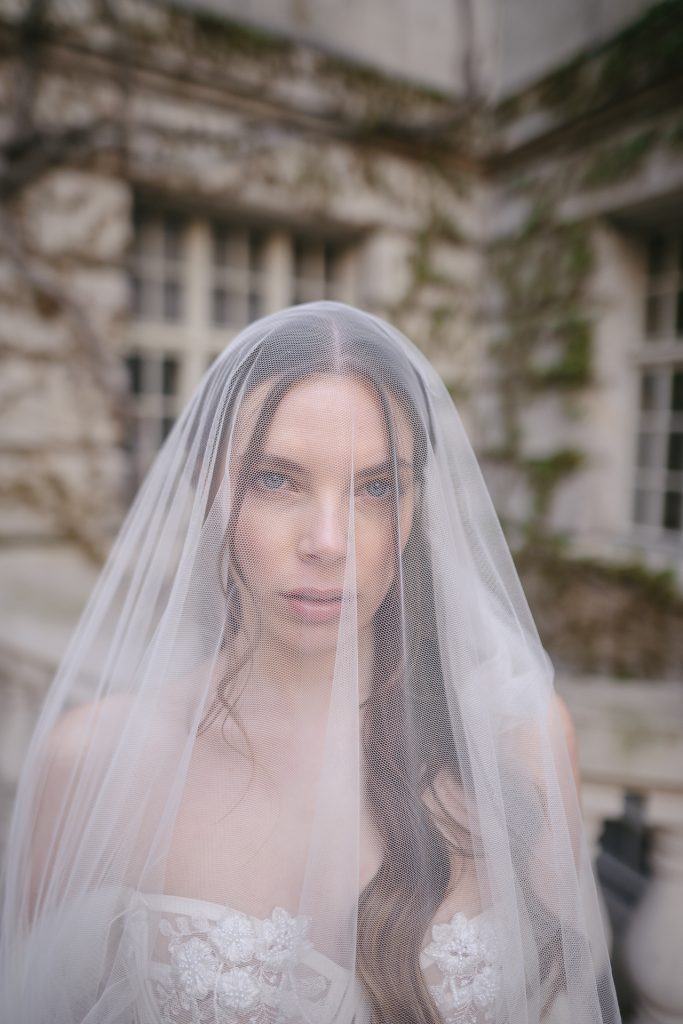
- Clothes that move. A dress with structure or a long veil reacts to the wind on the bridges and the steps of the Palais Royal.
- Don’t only chase landmarks. A doorway, a staircase or a café table can say “Paris” more elegantly than the Eiffel Tower.
- Let it be real. I guide, but I don’t pose you for hours. The best images come when you forget the camera.
Planning checklist
- Decide on legal at home + symbolic in Paris (or start the French paperwork very early).
- Book your photographer and, if you want help with logistics, a local planner.
- Choose your season and check Fashion Week and public holiday dates.
- Pick one place to stay that can double as your getting-ready space.
- Find a celebrant if you want someone to lead the ceremony.
- Reserve dinner, flowers, hair and make-up.
Planning your Paris elopement?
I photograph elopements and intimate weddings in Paris and throughout France, as well as in Italy and Spain. Have a look at my Paris elopement photography and some real destination weddings, then tell me your date. I reply within 48 hours.